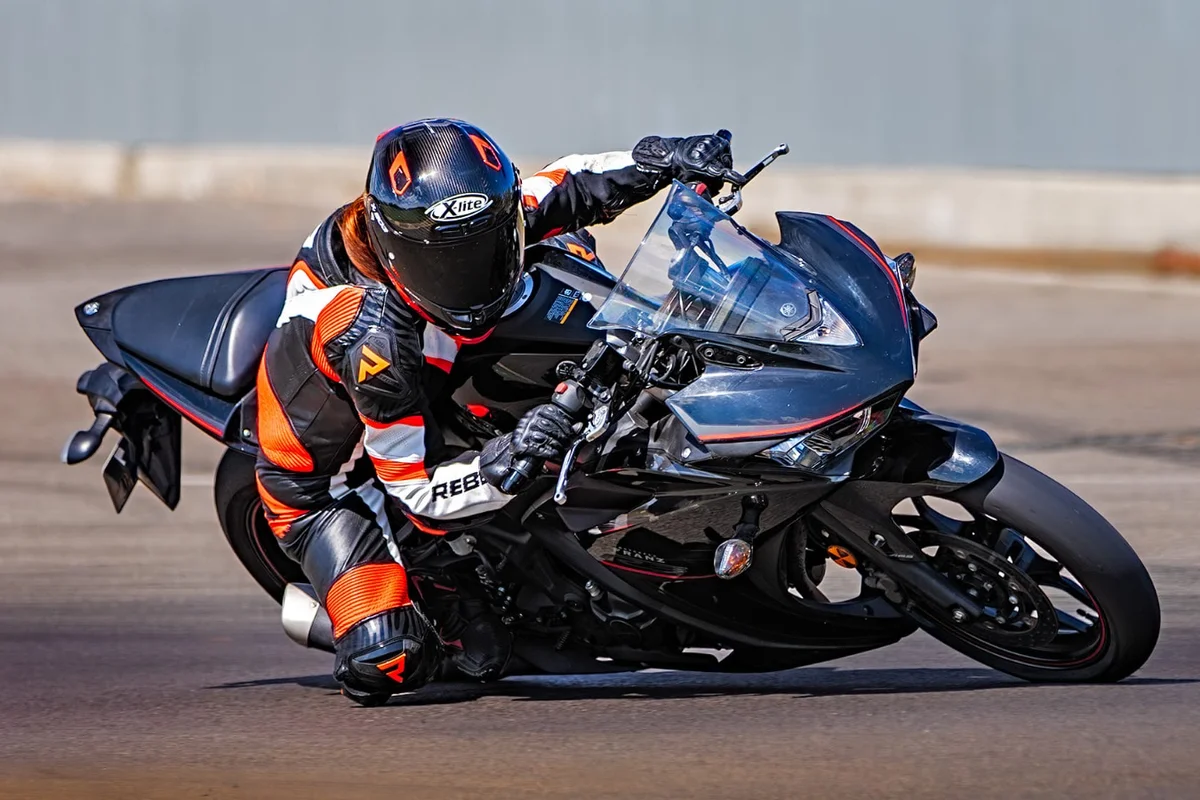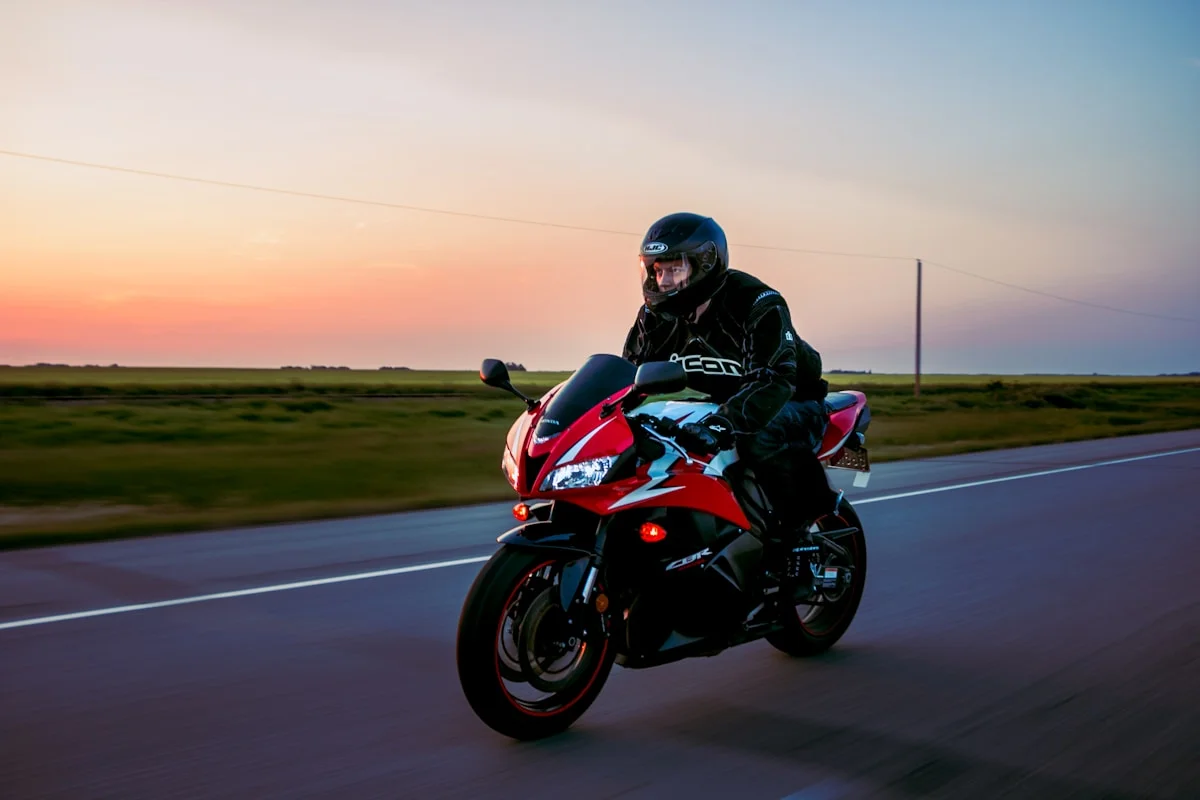
"Chasing adrenaline is gambling with your nervous system. Chasing flow is a form of mastery."
There are riders who talk about the "thrill" of speed or the need for adrenaline as the main reason they're on two wheels. It's almost a cliché: "I need adrenaline to feel alive." Yet if we look more closely, beyond the surface of the chemical sensation, we discover that what we're actually looking for isn't danger, but a much deeper regulation mechanism. Behind the desire for adrenaline, many riders are, in reality, chasing a state of flow. The difference between the two is significant, and understanding it can radically change the way you ride — and the way you live.
Adrenaline: The Danger Sensor and Its Limits
Adrenaline is the fight-or-flight hormone. It's triggered when your brain perceives a threat to your physical integrity. On a bike, when you enter a corner too fast or exceed the limit, your body releases adrenaline to prepare you to survive.
The problem with adrenaline is that it narrows your perspective. Under the influence of adrenaline, your visual field narrows, information processing becomes reactive, and your capacity to make complex connections drops. Sometimes adrenaline is just the "noise" your nervous system makes when it's overstimulated. If you have a history of chronic stress, it's very easy to mistake this "survival" state for one of "fulfillment."
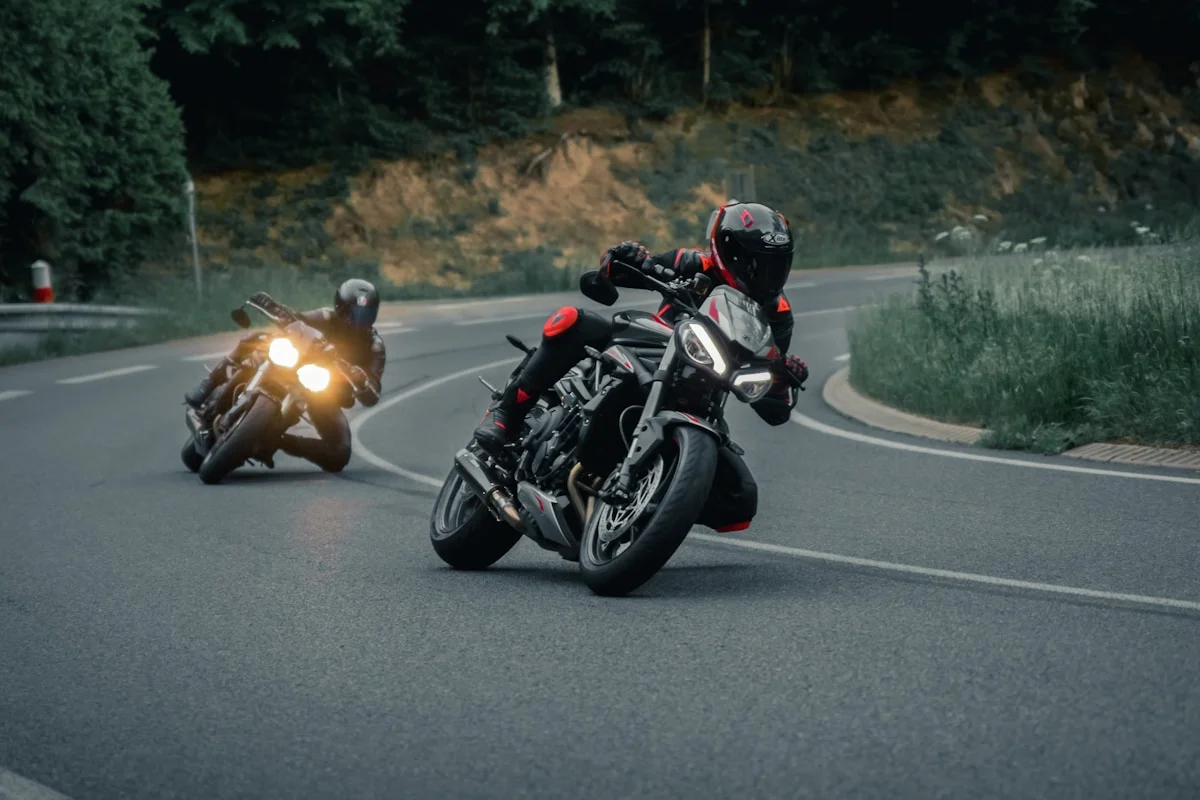
Flow: The State of Maximum Efficiency
Unlike adrenaline, flow is a state of integration. In flow, you're not in survival mode (fighting the road), but in mastery mode (being one with it).
Adrenaline makes you reactive (you respond to obstacles).
Flow makes you proactive (you anticipate the line and ride it smoothly).
When you're chasing flow, you're actually chasing a moment where your nervous system "clears" its background noise. It's the need to connect with yourself in a pure way, free of the intrusive thoughts that obsess you in everyday life. That feeling of being "alive" on a bike doesn't come from having risked everything, but from the fact that, for once, you're fully present in your body.
The Need for Connection, Not Danger
Our systems always tend toward balance. If your everyday life — your job, relationships, social environment — is full of tension, confusion, or disconnection, your brain will "borrow" the motorcycle to find that balance.
Some riders aren't addicted to risk. They're people who, the rest of the time, are disconnected from their real needs. They use the bike as a balancing instrument. When you say "I need adrenaline," what you might actually mean is: "I need to feel like I'm in control of my own system." If the need for adrenaline becomes the only way you feel connected to yourself, it means your emotional regulation mechanism is blocked. You're using the bike as a shortcut to quiet an inner agitation you don't know how to manage otherwise.
How to Shift from "Adrenaline" to "Flow"
You can shift the paradigm without losing the pleasure of riding. Here's how to move from seeking danger to seeking a state of presence:
1. Notice Your Intention
Next time you head out, ask yourself: "Am I leaving because I want to enjoy the ride, or because I want to forget about something?" If it's the second option, adrenaline will take over. If it's the first, you have a good chance of entering flow.
2. Monitor Your Muscle Tension
There's a direct link between how tightly you grip the handlebars and how much your brain lets you enter a state of flow.
When adrenaline dominates: Your body instinctively prepares for impact. Muscles contract, shoulders rise, and hands grip the bars "for dear life." This rigidity sends your brain a single message: "We're in danger."
When you're in flow: Your body is relaxed, yet alert. You can control the motorcycle with fine, light pressure alone. This physical relaxation tells your brain that you have everything under control, allowing you to be fluid and precise.
If you notice you're gripping the bars so hard your knuckles go white, or that your shoulders are "glued" to your ears, consciously force yourself to relax your hands. This simple action "tricks" the brain and pulls it out of alert mode, letting you return to the flow zone.
3. Recognize the Signs of Disconnection
If you notice you need increasingly higher speeds to feel anything, it's not the bike's fault. It's a signal that you need "space" in your everyday life. Flow on a motorcycle is just a mirror; if the image in that mirror keeps demanding more risk, it means your inner system is actually looking for a form of regulation it isn't finding in the rest of your life.
Conclusion: Who's Really in Control?
Chasing adrenaline is gambling with your nervous system. Chasing flow is a form of mastery.
When you understand that your need to accelerate is actually a need to reconnect with your own system, you stop using the bike as an anesthetic and start using it as an instrument. You're no longer someone running from the responsibility of their own life on two wheels, but someone learning to manage their own states. And that, at the end of the day, is real freedom.
If you recognize in yourself this constant search for intense sensations and want to understand what your nervous system is actually trying to regulate, personal development sessions or online psychologist support can be a first step toward a more authentic connection with yourself.
Key Takeaways
- Adrenaline is the nervous system's survival reaction to a perceived threat — it narrows your visual field and makes you reactive.
- Flow is a state of integration, where you're proactive, present, and "one" with what you're doing, rather than fighting the situation.
- A growing need for adrenaline is often a sign that you're disconnected from your real needs in the rest of your life, not proof of courage.
- Muscle tension (tight grip, raised shoulders) is a direct indicator of an alert state — consciously relaxing can bring you back into flow.
- Chasing flow instead of adrenaline means using the bike as a tool for connecting with yourself, not as an anesthetic for inner agitation.