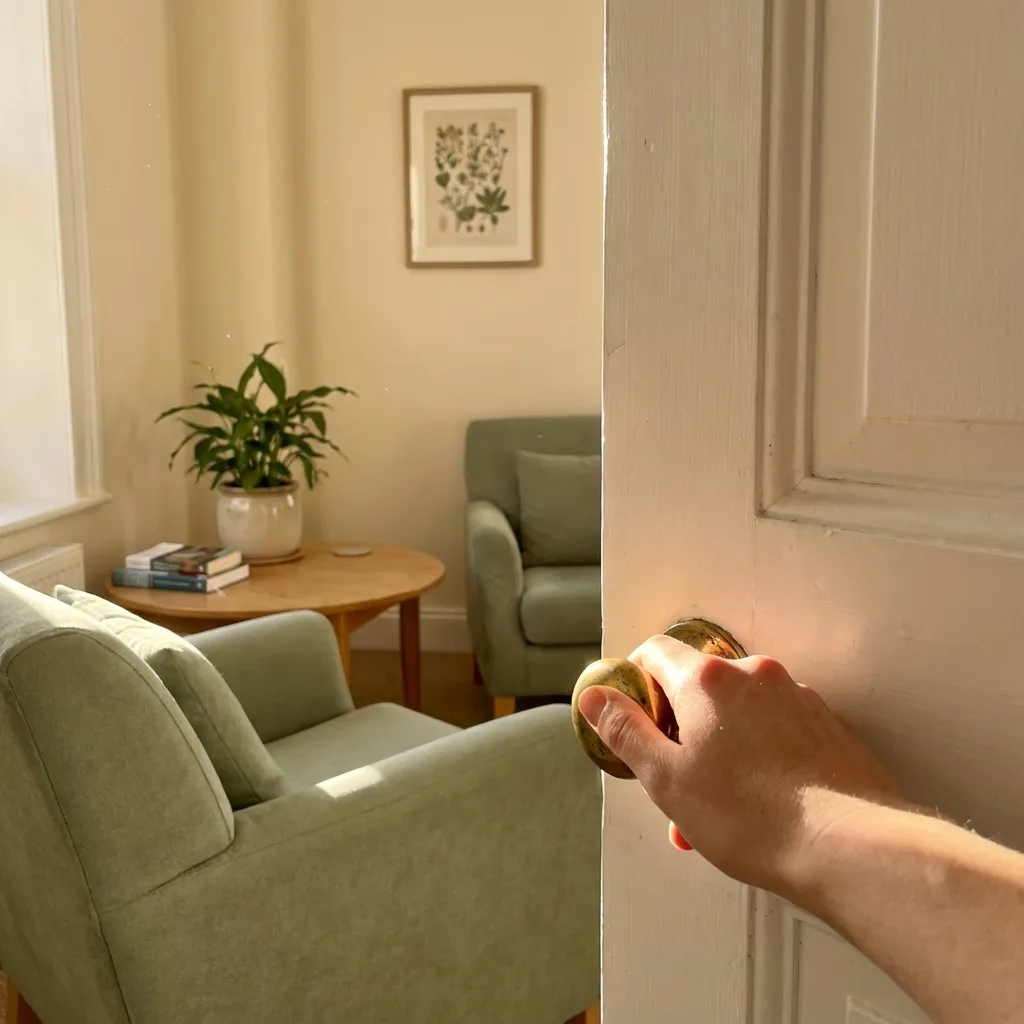
"Returning to your usual activities as soon as possible, without forcing it, is a way of telling your brain that the present reality is different from the reality of the accident."
A motorcycle accident doesn't leave marks only on the fairing or the mechanical parts. There's an invisible impact, recorded at the level of the nervous system, which changes the way we perceive the road and, by extension, ourselves. Returning to riding after an incident isn't simply a matter of technique, but a complex process of recalibrating trust. It's the moment when the tacit "safety contract" we have with the road needs to be renegotiated.
The Impact on the Nervous System: Why Your Body "Remembers"
When we go through an accident, the nervous system goes through a state of shock, recording the event not just as a simple series of physical data, but as a threat to our integrity. This "imprint" of the trauma stays stored at a deep level, dictating protective reactions long after the danger has passed.
Naturally, our body tends to return to balance, but sometimes the event is so overwhelming that the alarm system stays "stuck" in the ON position. It's natural for heightened vigilance, greater sound sensitivity, or a tendency to constantly scan the environment to appear. At their root, these are survival mechanisms. However, when these reactions become chronic, they can indicate the onset of a traumatization process that requires special attention.

The Risk of PTSD: When the Memory Becomes an Obstacle
Sometimes the experience of the accident doesn't "settle" into our memory like an ordinary recollection, but stays alive, in the form of vivid flashbacks, recurring nightmares, or a state of anxiety that seems impossible to control. We're talking here about post-traumatic stress disorder (PTSD).
It's important to recognize that such a diagnosis isn't a sign of weakness, but proof that your nervous system was overwhelmed by the intensity of the event.
Symptoms to watch for (warning signs):
- Re-experiencing: Vivid flashbacks of the accident, recurring nightmares, or the sensation of reliving the moment of impact when you hear a loud noise.
- Avoidance: An overwhelming need to avoid not just the motorcycle, but everything that reminds you of the accident (that particular route, the gear you wore that day, other riders' stories).
- Hyperarousal (excessive vigilance): Difficulty relaxing, irritability, being easily startled by unexpected sounds, or trouble concentrating on the road.
- Cognitive and mood changes: A feeling of detachment from friends or family, feelings of guilt, or a negative outlook on the future.
If you recognize these symptoms in yourself for longer than a few weeks, it's essential to understand that you don't have to go through this alone. A psychologist or a therapist specialized in psychotraumatology can offer the tools needed to "unlock" these memories, so that they become simple memories again, not active traumas.
The Importance of Gradual Integration
Although each person has their own pace, modern therapeutic approaches emphasize that prolonged avoidance of motorcycle-related activities can, paradoxically, strengthen the trauma's "anchor." In psychotraumatology, great value is placed on what we call "integration." The idea isn't to get back on the bike to "prove" something, but to allow your nervous system to understand, through direct experience, that the danger has passed.
Returning to your usual activities as soon as possible, without forcing it, is a way of telling your brain that the present reality is different from the reality of the accident. When we completely avoid the motorcycle, we implicitly confirm the message that "the road is dangerous." Returning — done carefully, at your own pace — is, in fact, the process through which you rewrite that message, regaining control over your own experience.
How This Process Unfolds
There's no single recipe. The return can look different for everyone:
- Observing without judgment: Noticing tension in your shoulders or an elevated pulse doesn't mean "you're not ready" — it means you're paying attention to your own signals. You are an observer of your own state.
- Putting it back in context: Recognizing that the accident was an isolated experience, while riding in general has a different character. This mental separation is crucial.
- Specialized support: If you feel the block is too big, specialized help isn't a "backup option," but an investment in your quality of life. A therapist can help you work with your inner resources, turning the "noise" of the trauma into an integrated experience.
Conclusion: A Process, Not a Competition
Getting back on the bike after an accident is an inner journey just as important as any ride on the road. It's a process of honoring the caution you've gained, while also reclaiming your freedom.
Don't rush to set yourself deadlines. Respect what you've been through, listen to your body's signals, and above all, don't hesitate to seek help if you notice that stress symptoms persist. Riding should be a source of clarity and joy. Regaining that feeling is proof of maturity and self-care, showing that, beyond mechanics, you're capable of managing your own well-being, in any conditions.
If you recognize these signs in yourself or someone you care about and feel the need for specialized support, individual therapy or online psychologist support can be a first step toward processing the trauma and regaining confidence on the road.
Key Takeaways
- An accident leaves an invisible "imprint" on the nervous system, not just mechanical marks on the bike.
- Heightened vigilance, nightmares, or persistent avoidance lasting several weeks can signal PTSD, not weakness of character.
- Prolonged avoidance of riding can, paradoxically, reinforce the trauma instead of healing it.
- Gradual integration — returning to normal activities at your own pace, without forcing it — helps the brain understand that the danger has passed.
- Support from a therapist specialized in psychotraumatology isn't a sign of failure, but an investment in regaining your freedom on the road.